Can Industrial Sewing Machinery Reduce Production Bottlenecks? Exploring the Importance of Integrated Manufacturing Systems
It is essential to maintain consistency in product and be efficient in the modern world of manufacturing. Each outage or downtime can impact business profitability. Sewing machine manufacturers must make careful resource and production planning. Coordinated systems can lead to needless delays in the manufacturing process. Integrated systems can help to enhance efficiency and consistency of production.
Understanding Production Bottlenecks in Modern Sewing Manufacturing
Manufacturing can be hindered by production bottlenecks which can lead to lower efficiency and productivity. They are frequently seen in cases where processes are independent. There may be delays between various production stages if manual operations are used. There may also be a limit on overall manufacturing capacity due to equipment limitations. These issues impact on delivery times and customer satisfaction. Consistency is a must for manufacturers to produce. Eliminating unnecessary waiting between operations with better coordination. Workflows that work efficiently enable workers to finish jobs in a shorter time. Regular performance monitoring will help production managers detect issues. Minor delays that are improved early do not become major issues.
How Advanced Machinery Improves Production Speed
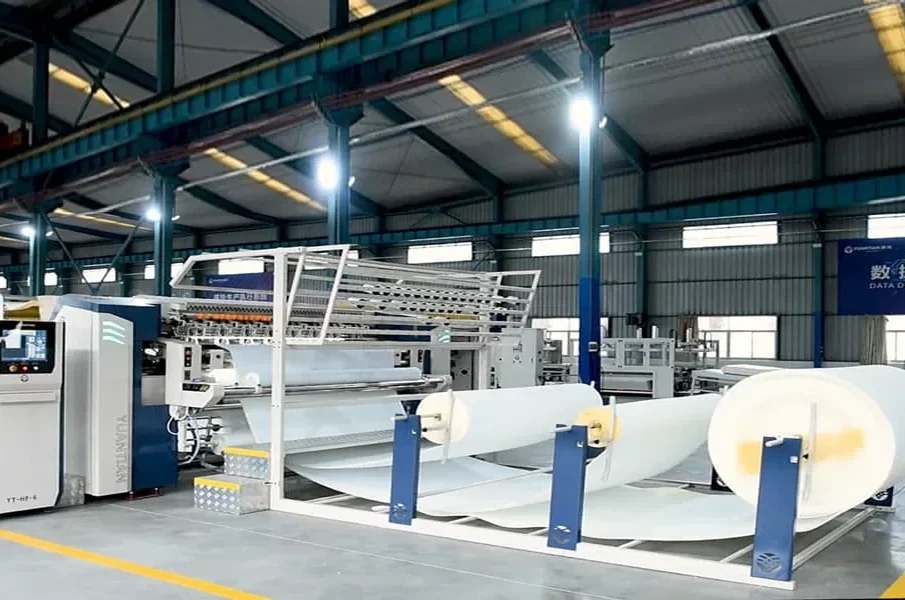
Modern Industrial sewing machinery contributes to the production of the uniform and faster products. Complex production requirements can be handled with advanced equipment efficiently. Automated functions eliminate repetitive tasks and manual adjustments. Workers can do more sophisticated stitching jobs with greater precision. Predictable production schedules are maintained by consistent machine performance. High speed equipment can also be used in large quantity to meet the needs of large-scale production. The fewer the hours of downtime, the more time teams have to keep the production line running. The appropriate machine selection contributes to the overall machine efficiency. Manufacturers are more likely to get a better return on investment if they invest in the right equipment. This higher productivity also helps businesses to become more competitive.
Why Integrated Manufacturing Systems Matter
Integrated manufacturing systems are effective in linking various manufacturing stages. They can efficiently coordinate activities of equipment and personnel. The reduction of communication gaps between the production departments is achieved by connected processes. Managers have more visibility of the manufacturing process in progress. This data can help to make more rapid decisions in the process of operating and scheduling. Material flow is also possible in factories with integrated systems. Supplies are provided to workers as needed for production. This eliminates unneeded motion and disruptions at the workplace. The better coordination leads to a streamlined manufacturing process. This means that the manufacturers can have a standard production line.
Reducing Human Errors Through Better Automation
Human errors can cost the company a lot of money because of manufacturing delays. Several changes may disrupt the running production processes. Automated equipment minimises the number of common operational errors. Quality stitching ensures the quality of the product and helps to avoid material waste. Workers can concentrate on more specific work which takes more attention. Standardised processes also enhance consistency of manufactured products. Employees are able to use sophisticated equipment with confidence when they are properly trained. Prevents unexpected machine failures during production by regular maintenance. This improvement helps to maintain a steady manufacturing process performance over time. Reducing errors also helps to maintain customer trust and satisfaction.