Built For Demanding Work: Exploring Reliable Farm And Ranch Equipment
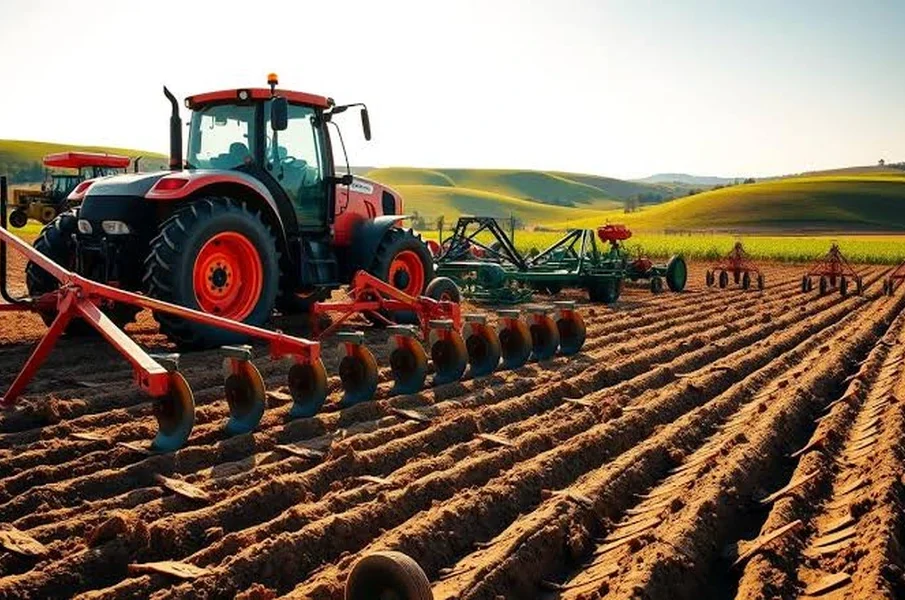
Agriculture has always required diligence, meticulous planning, and reliable equipment. Farmers and ranchers depend on equipment that can withstand difficult circumstances for everything from preparing fields for planting to handling animals and preserving rural estates. Machines that provide reliable performance while cutting down on needless downtime and operational costs are essential for modern agricultural operations.
It takes more than just buying strong gear to choose dependable farm and ranch equipment. It entails comprehending operating needs, assessing equipment capabilities, and making investments in products that boost output all year round. Agricultural firms may investigate gear suitable for difficult jobs throughout farms, ranches, and rural properties, such as Torgerson’s construction equipment.
The Value Of Dependable Agricultural Equipment
Farmers and ranchers work in settings where daily output is directly impacted by equipment performance. Agricultural equipment must be able to endure shifting weather patterns, uneven ground, demanding tasks, and long running hours. Operations may be disrupted, and profitability may be impacted by a mechanical malfunction during planting or harvesting.
By providing constant performance when it counts most, dependable equipment helps reduce these difficulties. Effective agricultural operations are facilitated by tractors, loaders, harvesting equipment, and specialized attachments. Workflow may be enhanced, and maintenance disruptions can be minimized by choosing equipment designed for demanding applications.
Because agricultural equipment regularly works in muddy, dirty, and unexpected settings, durability is especially crucial. Over the course of their working lifetimes, machines with robust structure, durable parts, and easily accessible maintenance features may provide more value.
Essential Tools For Contemporary Farming Activities
Specialized equipment is needed for various agricultural tasks. Due to their ability to support a variety of jobs, such as tillage, planting, transporting, and operating attachments, tractors continue to be among the most adaptable equipment on farms.
Loaders are equally useful for managing everyday farm maintenance, cleaning waste, moving feed, and handling commodities. Harvesting equipment simplifies crop collection and lowers the need for physical labor in bigger operations.
Equipment that can move supplies, manage pastures, fix access roads, and oversee animal facilities is often essential to ranching operations. Utility tractors, compact loaders, and skid steers may support these duties while providing flexibility in a variety of work settings.
Companies looking at Torgersons construction equipment should also think about how conventional agricultural equipment might be enhanced by construction machines. For drainage projects, material handling, land development, and rural infrastructure maintenance, several pieces of equipment are helpful.
Equipment Alignment With Operational Needs
Investing in equipment without assessing real working circumstances might lead to wasteful spending or decreased productivity. Depending on the size of the land, the topography, the agricultural operations, and the resources available, each farm and ranch has unique needs.
For instance, a major agricultural production company could need more powerful gear that can cover a lot of land, yet a small livestock operation would benefit from smaller equipment that can maneuver through tight locations.
Engine power, lifting capability, fuel consumption, attachment compatibility, and operator comfort should all be taken into account when purchasing equipment. These elements affect how well equipment operates in typical working environments.
Long-term ownership expenses are just as significant. The original purchase price should be considered in addition to maintenance costs, replacement components, service availability, and possible resale value.
Maintenance Procedures To Preserve Equipment Performance
Regular maintenance is necessary for even the most robust agricultural equipment. Preventive maintenance assists in spotting any issues before they become costly fixes.
Hydraulic systems, engine fluids, filters, tires, belts, and moving parts should all be inspected on a regular basis. Excessive accumulation of dirt and debris may also be avoided by cleaning machines after intensive activities.
When it comes to equipment use and servicing intervals, operators should adhere to manufacturer guidelines. Tracking performance, supporting troubleshooting, and preserving equipment value may all be facilitated by keeping precise service records.
Another crucial factor is the availability of skilled technicians and replacement parts. Reliable service assistance may help agricultural firms retain production during crucial operating times and minimize downtime.
Utilizing Adaptable Equipment To Promote Agricultural Development
Multipurpose equipment is becoming more and more necessary on modern farms. Operators may do various jobs without keeping an excessively big fleet thanks to versatile equipment.
For instance, dirt, gravel, feed, and other materials may be handled by a loader that has the appropriate attachments. In a similar vein, certain construction equipment may help with infrastructure upgrades, property development, and agricultural upkeep.
Farm and ranch owners may find equipment that supports both agricultural duties and property development projects by looking at possibilities like Torgersons construction equipment.
Purchasing adaptable equipment may help firms better use their resources and adapt to shifting operational needs.
Conclusion
Maintaining production, controlling operational expenses, and fostering agricultural expansion all depend on dependable farm and ranch equipment. Demanding everyday duties may be made easier with machinery that combines robustness, useful functionality, and reliable service assistance.
Farmers and ranchers may create operations that are effective throughout the shifting seasons by assessing equipment capabilities, adhering to preventative maintenance procedures, and choosing machinery appropriate for certain operating circumstances. Long-term agricultural success, more operational flexibility, and improved performance are ultimately supported by the proper equipment investment.