FF&E Procurement Timelines: How to Keep Your Hotel Opening on Schedule

A delayed opening costs a hotel far more than the delay itself. Lost room revenue, idle staff, and disappointed guests add up quickly. Many of those delays trace back to one area: FF&E procurement. Furniture, fixtures, and equipment must be specified, ordered, manufactured, shipped, stored, and installed in the right order. If one step slips, every step after it slips too.
This guide explains how to plan an FF&E procurement timeline that protects your opening date.
Why FF&E Procurement Timelines Go Wrong
Most delays come from a few predictable causes:
- Late design approvals. Specifications that change after ordering force reorders and restart manufacturing clocks.
- Underestimated lead times. Custom casegoods, lighting, and upholstery can take months to produce, especially when sourced overseas.
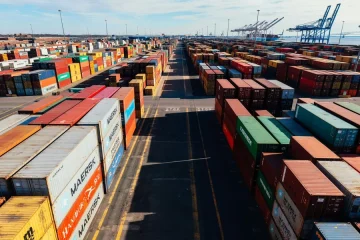
- Shipping and customs surprises. International freight adds variables such as port congestion, inspections, and documentation errors.
- Construction conflicts. If the building isn’t ready to receive deliveries, goods pile up with nowhere to go.
Start With Backward Planning
The most reliable method is to work backward from your target opening date. Set the installation window first, then subtract time for delivery, warehousing, production, sampling, bidding, and specification. This shows you the latest date each decision can be made without putting the opening at risk.
Build in buffer time at every stage. A two-to-four-week cushion on long-lead items is cheap insurance compared with a postponed grand opening.
Prioritize Long-Lead Items Early
Not every item needs the same attention. Identify long-lead pieces during the design phase and order them first. These usually include custom furniture, specialty lighting, stone or tile, and large kitchen or laundry equipment. Standard items with short lead times can be purchased later, which keeps cash flow healthier and reduces storage costs.
Use Warehousing and Consolidation Wisely
Coordinated warehousing is one of the most underrated parts of a smooth FF&E procurement process. Receiving, inspecting, and consolidating goods at an off-site facility lets you catch damage or defects before items reach the property. It also lets you stage deliveries room by room so installers work efficiently instead of waiting on missing pieces.
Track Everything in Real Time
Spreadsheets and scattered email threads are a common source of confusion. Centralized reporting that shows purchase order status, delivery dates, and payments gives owners, designers, and general contractors the same information. When everyone sees the same data, problems surface early, while there is still time to fix them.
The Value of an Experienced Procurement Partner
Managing all of this while running a development project is a lot to take on. A specialized hospitality procurement partner brings established vendor relationships, negotiation leverage, and a tested process for handling the details. Stroud Group has supported hospitality projects for decades, handling FF&E and OS&E procurement from budgeting and vendor bidding through logistics, installation coordination, and punch list completion. Partnering with a team like this can reduce risk, protect your budget, and keep your schedule intact.
Final Thoughts
A successful opening depends on timing as much as design. By planning backward from your opening date, ordering long-lead items early, using coordinated warehousing, and tracking progress transparently, you give your project its best chance of finishing on time. Whether you’re building new or renovating, a disciplined approach to FF&E procurement keeps small problems from becoming expensive delays.