
Warning Signs Your Pond’s Oxygen Levels Are Too Low
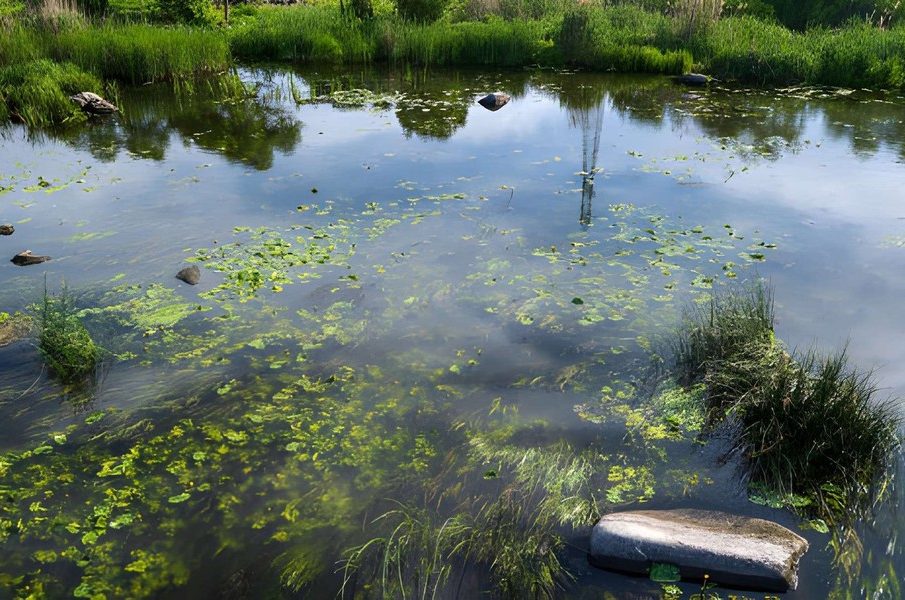
A pond may appear calm and healthy from a distance, but underneath the surface, oxygen levels can sometimes drop faster than expected. And when that happens, fish, plants, and beneficial bacteria all begin to struggle. The tricky part is that the warning signs are not always dramatic in the beginning. They build slowly.
Using an energy efficient air pump is one of the simplest ways to avoid these issues before they become serious. Trusted pond specialists like That Pond Guy provide reliable aeration systems designed to improve circulation and oxygen transfer without driving up energy costs. A properly aerated pond usually looks cleaner, smells fresher, and honestly feels much more balanced overall.
Fish Gasping Near the Surface
This is often the first thing pond-owners notice.
If fish are gathering near the surface, especially during early morning hours, there is a good chance oxygen levels are dropping too low. Some fish may even appear to gulp air repeatedly. That is basically a distress signal.
Koi and goldfish tend to stay close to waterfalls, fountains, or filter outlets when oxygen becomes limited because those areas contain more moving water. Occasionally, if a few fish are found doing this may not mean disaster. But if most of them are behaving this way, it is time to check the pond immediately.
Sluggish Fish and Reduced Activity
Healthy pond fish are usually active and alert. Low oxygen changes that pretty quickly.
You may notice:
- Fish are swimming more slowly than usual
- Reduced appetite
- Fish hiding for long periods
- Less interaction during feeding time
- Koi remaining motionless near the bottom
Sometimes pond owners mistake this for illness when the real problem is poor aeration. Warm weather makes things worse, too, because warm water naturally holds less oxygen.
Strong Odours Coming from the Water
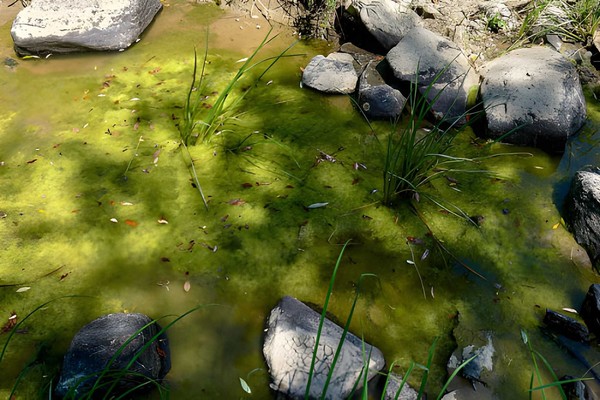
A pond should not smell rotten. Slightly earthy? Sure. But foul smells are usually a warning sign. When oxygen levels become too low, waste and sludge at the pond bottom stop breaking down properly. Over time, this creates unpleasant odours and poor water quality. Honestly, if the pond smells swampy every time you walk past it, something probably needs attention.
Sudden Algae Problems
Algae blooms often show up when the pond ecosystem becomes unbalanced. What surprises many people is that algae can actually contribute to oxygen crashes during nighttime hours. During the day, algae release oxygen. At night, they consume it. In heavily affected ponds, oxygen levels can suddenly dip before sunrise.
Common warning signs include:
- Green water
- String algae is spreading quickly
- Murky appearance
- Foam collecting near edges
It usually points toward poor circulation somewhere in the system.
Fish Loss After Heatwaves or Storms
This is one of the most frustrating situations for pond owners because it can happen overnight. Heavy rain, sudden temperature spikes, humid conditions, or overcrowding may reduce dissolved oxygen levels very quickly. Larger fish are often affected first since they require more oxygen to survive.
Proper aeration helps stabilize the pond during these stressful periods. Even a simple upgrade can make a noticeable difference in fish health, water clarity, and overall pond stability. Sometimes the pond just feels healthier within days.
Top of Form
Bottom of Form