Reliable electricity infrastructure behind successful large scale gatherings and events
When people attend a concert or outdoor festival, electricity is probably the last thing on their mind. Lights turn on, speakers work, food stalls run their equipment, everything just functions. That smooth experience usually hides a lot of preparation.
Many event locations simply do not have enough built in electrical supply for large gatherings. Parks, temporary stages, open grounds. These places were never designed to power lighting rigs, giant speakers, broadcast systems, and hundreds of vendor setups at the same time.
So organisers usually install temporary event power systems that operate only for the duration of the event. These systems create a controlled electrical network across the venue.
And honestly, without that planning the entire event could stop because of one electrical issue.
Temporary power infrastructure explained
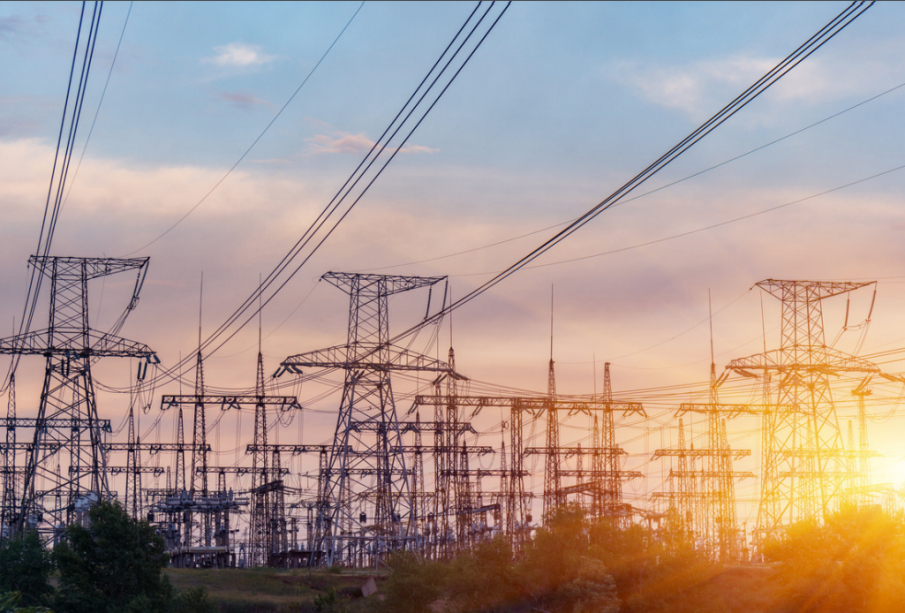
Temporary power setups often look a little like a small mobile power station. Generators, distribution boards, long cable runs, and monitoring panels are installed before the event begins.
It is not always obvious though. Most of the equipment sits behind stages or inside technical areas.
Typical setups include things like:
- Generator units producing electricity for the venue
- Distribution panels dividing power across event zones
- Long cable routes connecting stages and stalls
- Protection equipment controlling electrical flow
- Backup power systems prepared in case demand rises
All these pieces connect together to form the power system for the event. Visitors rarely notice it.
But the event definitely depends on it.
Power distribution planning for large venues
Events rarely rely on one power line feeding everything. Electricity is usually divided into sections across the venue.
A stage area may require high energy for lighting and sound systems. Vendor areas need moderate supply for cooking or refrigeration equipment. Media teams often require very stable power for cameras and broadcasting gear.
Because of this, technicians create separate distribution paths across the site.
Sometimes the planning feels surprisingly detailed. A lighting system alone might require its own dedicated power supply.
Which makes sense once the event actually begins.
Managing unpredictable energy demand during live events
Energy demand during events is not always predictable. When stage lighting activates or sound systems reach full output, electricity use can rise quickly.
Technicians often monitor the system throughout the event. Control panels show how power moves across different areas.
If one section begins pulling too much electricity, adjustments can be made. Maybe shifting load, maybe activating additional generators.
Most of the time nothing dramatic happens. Things just run smoothly.
And that quiet stability is usually a sign the planning worked.
Coordination between energy teams and event organisers
Event power planning usually involves several groups working together. Event organisers focus on layout, stages, visitor flow. Technical crews focus on power distribution and equipment setup.
Before installation begins they often review:
- Generator placement across the venue
- Cable routes between equipment zones
- Estimated power demand for stages and vendors
- Backup power planning
- Technician access points if adjustments are needed
Once everything is set up, temporary power systems make events possible even in places without permanent electricity. Festivals, exhibitions, concerts… they can all run normally.
During the event though, most people do not think about any of it. The power setup just sits there in the background. Visitors see the stage lights, hear the music, maybe notice large screens or lighting effects. But behind those visuals there is a temporary electrical network quietly supplying energy to every part of the venue. From food stalls to security systems to media equipment, everything connects back to that setup. In many cases temporary event power is installed only for a few days and then removed once the event ends. And just like that, the whole energy system disappears again.