Enhanced Structural Strength: How Quality Fasteners Improve Overall Project Reliability
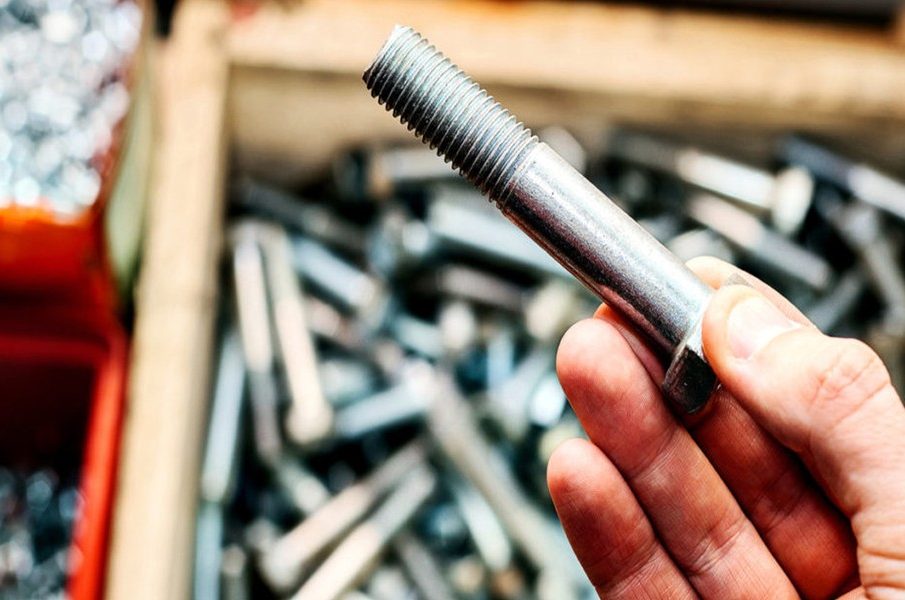
Stable construction results depend on secure joining across structural components. Strong connections help systems handle varying loads during continuous operation. Engineers rely on industrial fasteners because they provide dependable joining across different applications. These components maintain strength while reducing unexpected movement within assembled structures. Consequently, overall performance improves through steady and reliable connection behavior.
How Do Fasteners Maintain Structural Stability?
Fasteners determine how firmly components stay connected during usage periods. Their strength ensures joints remain intact under pressure and vibration effects. Proper selection allows forces to spread evenly across connection surfaces. This prevents localized stress and reduces potential structural damage risks. Reliable fastening supports consistent performance across extended operational timelines.
Material Choices Determine Long Term Performance
Material selection strongly influences how connections perform over prolonged periods. Different conditions require resistance against corrosion, fatigue, and continuous wear. Suitable materials maintain strength even under repeated operational stress. This approach ensures durability without early component deterioration concerns.
- Corrosion resistant layers guard surfaces against moisture damage exposure
- High strength metals support demanding load bearing applications reliably
- Heat treated finishes enhance resistance under repeated stress conditions
- Smooth threading reduces wear across connected contact surfaces
Strong materials limit repair needs while extending usable service duration. Structures remain dependable even under challenging working environments.
Why Is Proper Installation So Important?
Correct installation allows fasteners to function as designed within structures. Poor tightening may weaken joints or create early failure concerns. Controlled torque ensures balanced pressure without harming material surfaces. Accurate alignment prevents uneven force distribution across connected elements. These practices improve reliability and reduce long term maintenance requirements.
Installation Practices Improve Joint Strength Consistently
Installation techniques influence how securely components remain fixed during operation. Careful handling ensures proper alignment and balanced stress across joints. Consistent procedures reduce chances of loosening or early wear issues. These practices support stable performance across different structural applications.
- Apply measured torque using calibrated tightening equipment tools
- Keep threads clean before engagement for smoother installation process
- Avoid excessive tightening that may damage fastener integrity
- Confirm alignment before final securing of connection points
Proper methods maintain stability while preventing unexpected structural inconsistencies. Reliable installation strengthens overall system performance under varying conditions.
Load Management Supports Balanced Structural Performance
Even load distribution prevents excessive pressure on specific connection points. Balanced forces help structures remain stable and function efficiently. Engineers depend on industrial fasteners to maintain uniform stress distribution across assemblies. This balance reduces wear while supporting consistent performance over time.
- Even force distribution minimizes localized stress buildup effectively
- Proper spacing ensures balanced pressure across structural connections
- Uniform tightening prevents imbalance during operational load conditions
- Organized placement supports stability across multi part assemblies
Balanced systems operate smoothly without unnecessary strain on individual areas. This improves durability while lowering long term maintenance needs.
Environmental Factors Influence Fastener Strength
External conditions affect how long fasteners retain their effectiveness. Moisture, heat, and chemicals may weaken materials gradually over time. Protective solutions help maintain strength in demanding operational surroundings. These considerations ensure connections remain reliable despite environmental challenges.
- Protective coatings shield surfaces from harsh environmental exposure
- Heat resistant materials handle extreme temperature variations effectively
- Chemical resistant finishes reduce corrosion risks in active environments
- Sealed designs limit contamination affecting threaded joint performance
Environmental awareness helps extend component life and maintain reliability. Structures remain stable even in demanding working conditions.
Reliable Connections Build Long Term Confidence
Strong fastening ensures systems perform consistently throughout their service duration. Stable joints reduce risks linked to unexpected mechanical failures significantly. Reliable structures allow smoother operation without frequent repair interruptions. Proper assembly techniques further enhance durability across demanding operational conditions.