
How mattress components are transformed through effective recycling processes
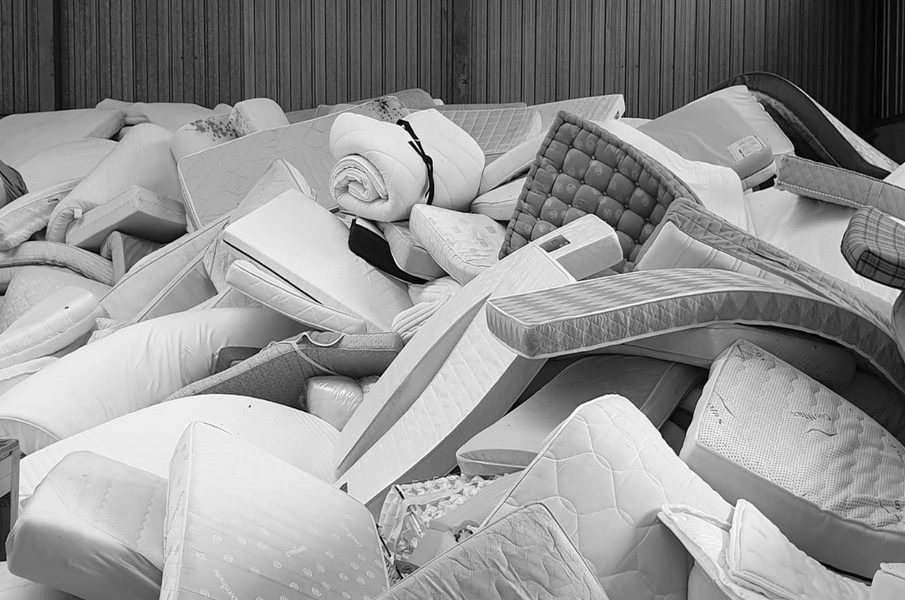
Mattresses are quietly clogging landfills, stacking up by the millions every year across the globe. Unlike other household waste, these bulky behemoths can take decades to break down, with layers of foam, steel, and textiles stubbornly resisting natural decomposition. The environmental cost is staggering, but innovation is rewriting the mattress afterlife.
The Growing Problem of Mattress Waste
The sheer number of discarded mattresses is startling. In North America alone, millions are buried each year, turning landfill sites into graveyards of unwanted beds. Each mattress is a complex mix of materials, making disposal anything but simple.
Why Are Mattresses a Challenge for Landfills?
Mattresses do not fit neatly into landfill management systems. Their size reduces landfill compaction efficiency, while metal springs can damage equipment. Moreover, trapped air and bulky design mean they occupy far more space than their weight suggests.
Environmental Impact of Disposed Mattresses
When mattresses languish in landfills, they become environmental liabilities. As they slowly degrade over decades, their synthetic foams release harmful chemicals, while fabrics and stuffing can leach pollutants into soil and groundwater. The long-term footprint is immense compared to other consumer waste.
Statistics: Millions Buried, Few Recycled
Consider this: over four million mattresses have been recycled through innovative programs, yet millions more are still being buried annually. The gap between recycling capacity and the scale of waste is wide, underscoring the urgency for more comprehensive solutions.
Early Attempts at Mattress Disposal and Recycling
Looking back, the default option for unwanted mattresses was a landfill. While some creative individuals salvaged parts for reuse, institutional recycling was rare.
Traditional Landfill Practices and Drawbacks
Disposal facilities found mattresses problematic. Landfill operators struggled with the space they consumed and the hazards they posed to machinery. Burning them was not a solution either, as it released noxious fumes.
Initial Recycling Efforts and Limitations
Early recycling efforts were largely manual and inefficient. Workers dismantled mattresses by hand, separating materials with basic tools. The process was slow, and much of the recovered material was of limited quality.
Public Awareness and Regulatory Pressures
As the environmental toll became evident, regulations began to shift. Municipalities and provinces started looking for sustainable alternatives, motivated by both policy and growing public concern over waste management.
Breakthroughs in Mattress Recycling Technology
The modern era of mattress recycling is defined by innovation, efficiency, and a greater focus on sustainability.
Mechanical Processes: Dismantling and Separation
Today, specialized machinery streamlines the dismantling process. Shredders and separators break mattresses down into constituent parts, such as foam, steel, and fabric. Automated systems increase throughput and reduce worker injury.
Material Recovery: Foam, Metal Springs, and Fabrics
Mattress components are sorted for optimal recovery. Foams, once separated, can be processed into new products. Steel springs, highly recyclable, are melted down for use in construction and manufacturing. Even textiles are sorted and repurposed, contributing to a closed-loop supply chain.
Innovations Driving Efficiency and Sustainability
Advances in sorting technology, from air classifiers to smart sensors, ensure materials are cleaner and more consistent. This not only improves recycling rates but also increases the value of recovered materials, making mattress recycling more economically viable.
The Role of Specialized Recycling Programs
Transforming mattress recycling from a niche process to a mainstream solution requires coordinated efforts.
Case Study: Recyc-Matelas in Quebec and Ontario
Programs like Recyc-Matelas mattress recycling are setting the standard in Canada. Operating in Quebec and Ontario, they have already recycled over four million mattresses, diverting thousands of tons from landfills. Their process is both innovative and environmentally friendly, providing a model for other regions.
How Collection and Drop-off Systems Work
Efficient recycling begins with collection. Drop-off locations, curbside pickups, and municipal collection days make it easy for consumers to dispose of mattresses responsibly. Once collected, mattresses are transported to specialized facilities for processing.
Partnerships with Municipalities and Waste Management
Success depends on collaboration. Municipalities partner with recycling firms to ensure steady supply, while waste management companies integrate recycling into their broader services. These partnerships amplify impact and streamline logistics.
Transforming Components into New Products
The true value of mattress recycling lies in what comes next.
Foam: From Old Mattresses to Insulation and Padding
Recovered polyurethane foam is cleaned and processed into carpet underlay, insulation panels, and even padding for sports equipment. This not only reduces waste but also lessens demand for virgin resources.
Steel Springs: Recycling into Construction Materials
Steel springs are baled and shipped to steel mills, where they are melted and transformed into rebar, structural steel, or new consumer goods. The high purity of mattress steel makes it particularly attractive for recycling.
Textiles: Repurposing Fibers for Industrial Use
Fabrics and fibrous filling are shredded and blended for use in industrial filters, oil spill containment products, or new textile materials. Each innovation extends the useful life of resources that would otherwise be discarded.
Overcoming Challenges in Mattress Recycling
Despite progress, barriers remain.
Contamination and Material Purity Issues
Mattresses can harbor contaminants, mold, bedbugs, or liquids, that complicate recycling. Pre-screening and improved processing methods help mitigate these risks, but vigilance is required to ensure quality.
Cost and Economic Viability
The economics of mattress recycling hinge on efficient operations and markets for recovered materials. Innovation, scale, and supportive policy are crucial to reducing costs and increasing adoption.
Consumer Participation and Education
Education is key. Many consumers still lack awareness about recycling options or do not know where to bring old mattresses. Outreach and visible programs can boost participation rates.
The Future of Mattress Recycling
A new era is emerging, guided by technology and environmental responsibility.
Emerging Technologies and Automation
Robotics and AI are poised to refine dismantling processes, increasing speed and accuracy while reducing labor costs. These tools promise greater scalability and flexibility.
Policies Encouraging Circular Economy Models
Governments are introducing regulations that make mattress recycling mandatory, while encouraging manufacturers to design for recyclability. This policy shift supports a true circular economy.
Potential for Zero Waste Mattress Manufacturing
With design innovations and closed-loop recycling, the dream of zero waste mattress production is within reach. Manufacturers are starting to create mattresses with easy-to-separate components and fully recyclable materials.
How Consumers Can Support Effective Mattress Recycling
– Choose mattresses with recyclable components and minimal chemical treatments.
– Use local recycling programs or designated drop-off sites rather than dumping old mattresses curbside.
– Advocate for municipal and provincial investment in recycling infrastructure and education.
By supporting these actions, individuals become partners in the transformation of mattress waste from problem to possibility. As technology, policy, and public will converge, the discarded mattress could soon become a symbol of sustainable change rather than environmental neglect.