
Modern Healthcare Security Systems Improving Hospital Safety And Operational Efficiency Today
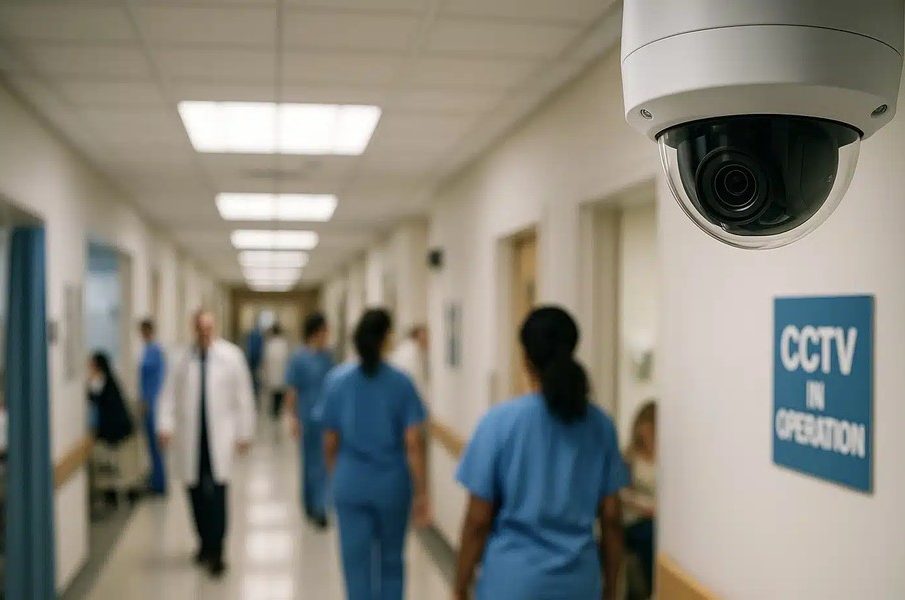
Healthcare environments require strong protection systems because staff patients and sensitive information must remain secure throughout daily activities. Consistent healthcare security solutions help reduce unlawful access while enlightening response speed during emergencies across busy facilities. Organized systems also support smoother coordination between departments, which improves operational flow while reducing delays in dangerous situations.
Access Control Strengthens Facility Security
Access control systems are used to limit access to sensitive areas or spaces in a meaningful way to allow staff to control daily access to these areas, and to prevent accidental exposure or unauthorised access to sensitive information.
Surveillance Systems Improve Monitoring Efficiency
Advanced monitoring tools provide continuous observation across facilities which helps identify suspicious activity quickly while supporting faster responses during unexpected situations affecting overall operational stability and safety.
Emergency Alerts Support Rapid Responses
In emergency scenarios, automated alert systems can immediately alert staff, thereby enhancing response time, and help teams manage the situation’s various aspects in an efficient manner in large healthcare facilities.
Staff Identification Reduces Unauthorized Entry
Identification systems verify personnel access permissions which prevents unauthorized entry while helping maintain accountability across departments handling confidential information and sensitive operational responsibilities every day.
Visitor Management Enhances Building Control
Visitor tracking systems monitor guest movement within facilities, which improves oversight while helping staff maintain secure environments without disrupting normal operational activities during busy schedules.
Digital Records Increase Information Protection
Secure record management systems protect confidential information from unauthorized access, which helps maintain privacy while supporting accurate data handling throughout healthcare operations each day.
Automated Locks Improve Area Safety
Automated locking systems secure important rooms instantly, which reduces security risks while helping staff manage access efficiently during emergencies or restricted operational situations requiring immediate protection.
Communication Systems Support Coordination Processes
Clear communication systems connect departments quickly, which improves teamwork while reducing misunderstandings during critical operations requiring immediate attention from multiple staff members simultaneously.
Cyber Protection Strengthens Data Safety
Strong cyber protection measures reduce risks of unauthorized data breaches, which helps facilities maintain secure information storage while supporting uninterrupted operational performance across connected systems.
Integrated Systems Improve Workflow Performance
Integrated protection systems combine multiple tools into one network, which simplifies monitoring while improving coordination between departments handling different operational responsibilities throughout healthcare environments.
Training Programs Increase Staff Awareness
By conducting steady training sessions, staff is able to have a clear understanding of the security procedures, enhancing their readiness and minimizing potential errors during emergencies or sensitive operational scenarios in healthcare situations.
Essential Features Supporting Safer Facilities
Modern systems provide important functions improving operational protection daily.
• Automated alerts improve emergency response coordination speed.
• Secure access limits unauthorized restricted area movement.
• Monitoring systems detect unusual activities across facilities.
• Staff identification improves accountability during operational activities.
• Record protection maintains confidential information safety standards.
Practical Benefits For Daily Operations
Reliable protection systems support smoother healthcare management activities efficiently.
• Visitor tracking improves movement control throughout facilities.
• Communication tools reduce delays during urgent situations.
• Automated locks secure sensitive operational areas immediately.
• Cyber protection reduces risks from unauthorized access.
• Training sessions improve staff security awareness consistently.
Healthcare facilities continue adopting advanced protection methods because organized security improves operational stability while reducing risks affecting staff, patients, and important information daily. Strong healthcare security solutions support smoother communication, quicker emergency responses, and better control across busy environments handling sensitive responsibilities. Reliable systems also improve workflow performance by reducing confusion while maintaining secure access throughout operational areas. Combining monitoring tools, automated alerts, and proper staff training creates stronger overall protection without disrupting normal activities.